SEAM
A platform for fashion teams to prioritize tasks and track production updates
2026
UXUI Case Study

Duration
15 weeks
Problem
Fragmented production updates made task prioritization difficult
Industry
Fashion | B2B, SaaS
Approach
Research, dashboard design, and usability testing with 5 participants
Role
Dashboard UX · IA · Usability Testing
Output
An iterated interactive prototype focused on clearer production priorities.

SEAM brings production updates, orders, schedules, and communication from fragmented tools into one shared workspace. It helps fashion production teams improve visibility, coordinate priorities, and make informed decisions without replacing the systems they already use.
PROBLEM STATEMENT
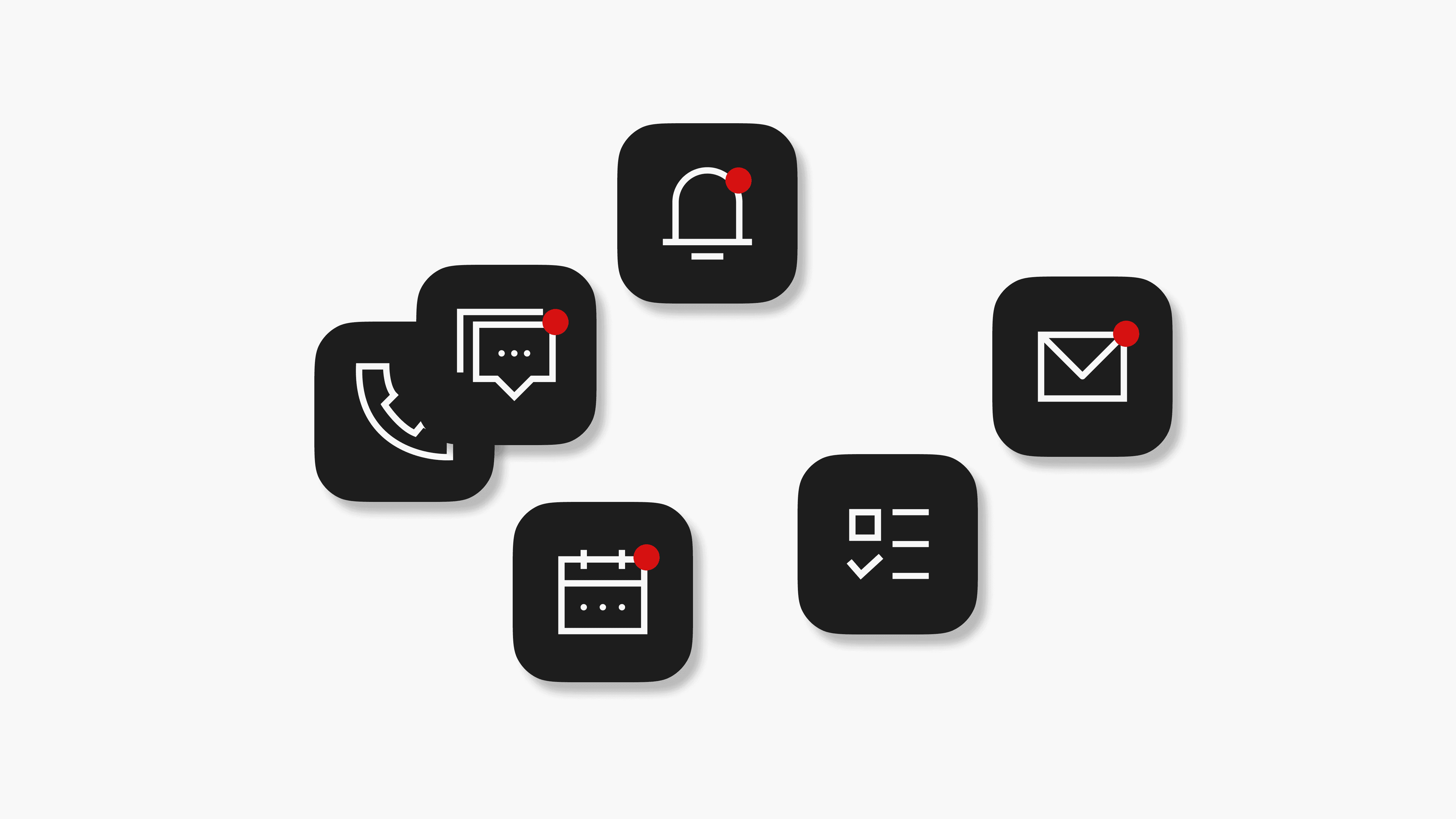
Fashion production information is scattered across multiple platforms, making it difficult for teams to track production progress, identify delays early, and collaborate efficiently.
Apparel brands are shifting toward deeper supplier partnerships, making collaboration and transparency increasingly important throughout the production process.
As a result, brands are investing in end-to-end planning, agile supply chains, and digital solutions to improve coordination and visibility.
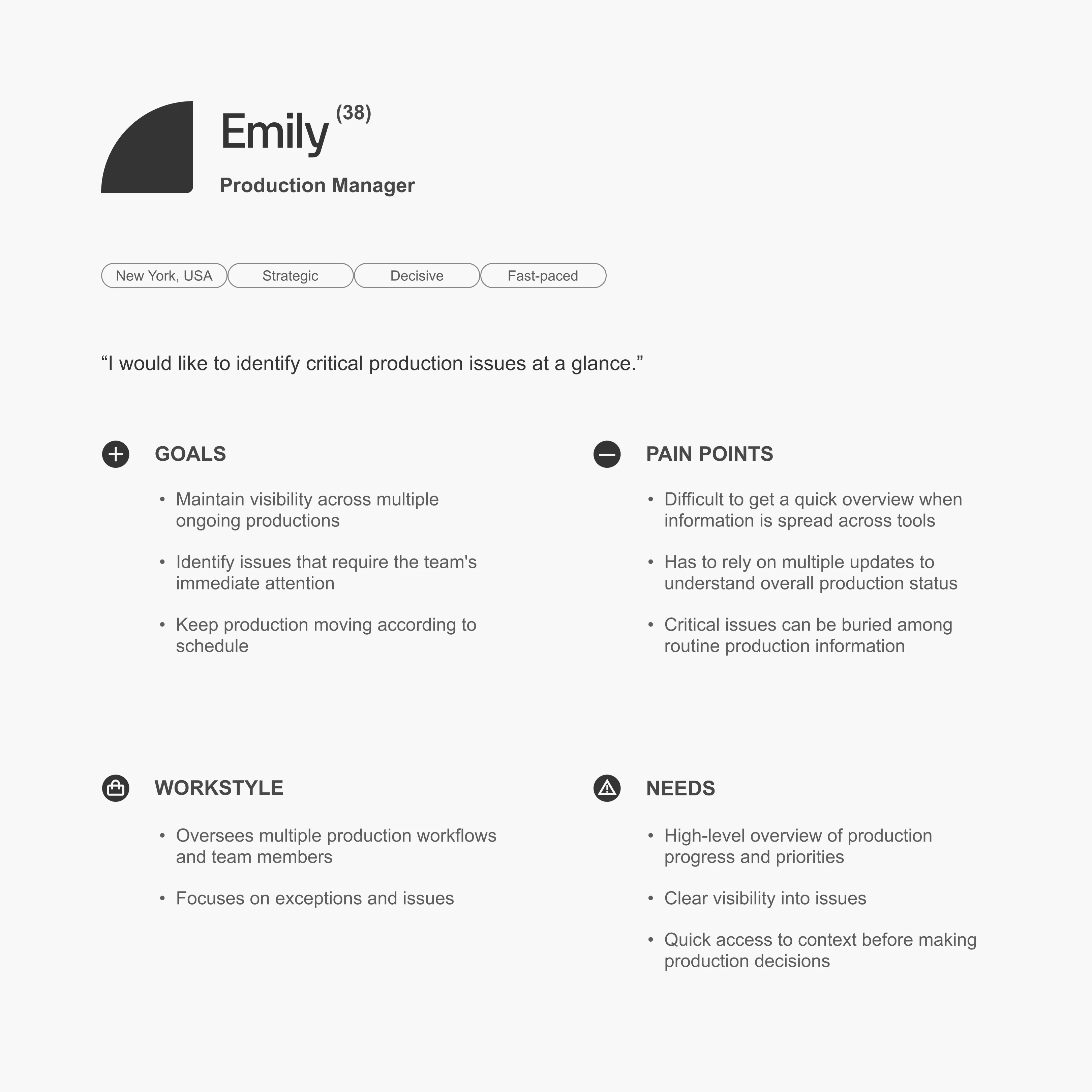
BUSINESS CONSIDERATIONS
Identify where SEAM can create value alongside existing production tools without adding another system for teams to manage.


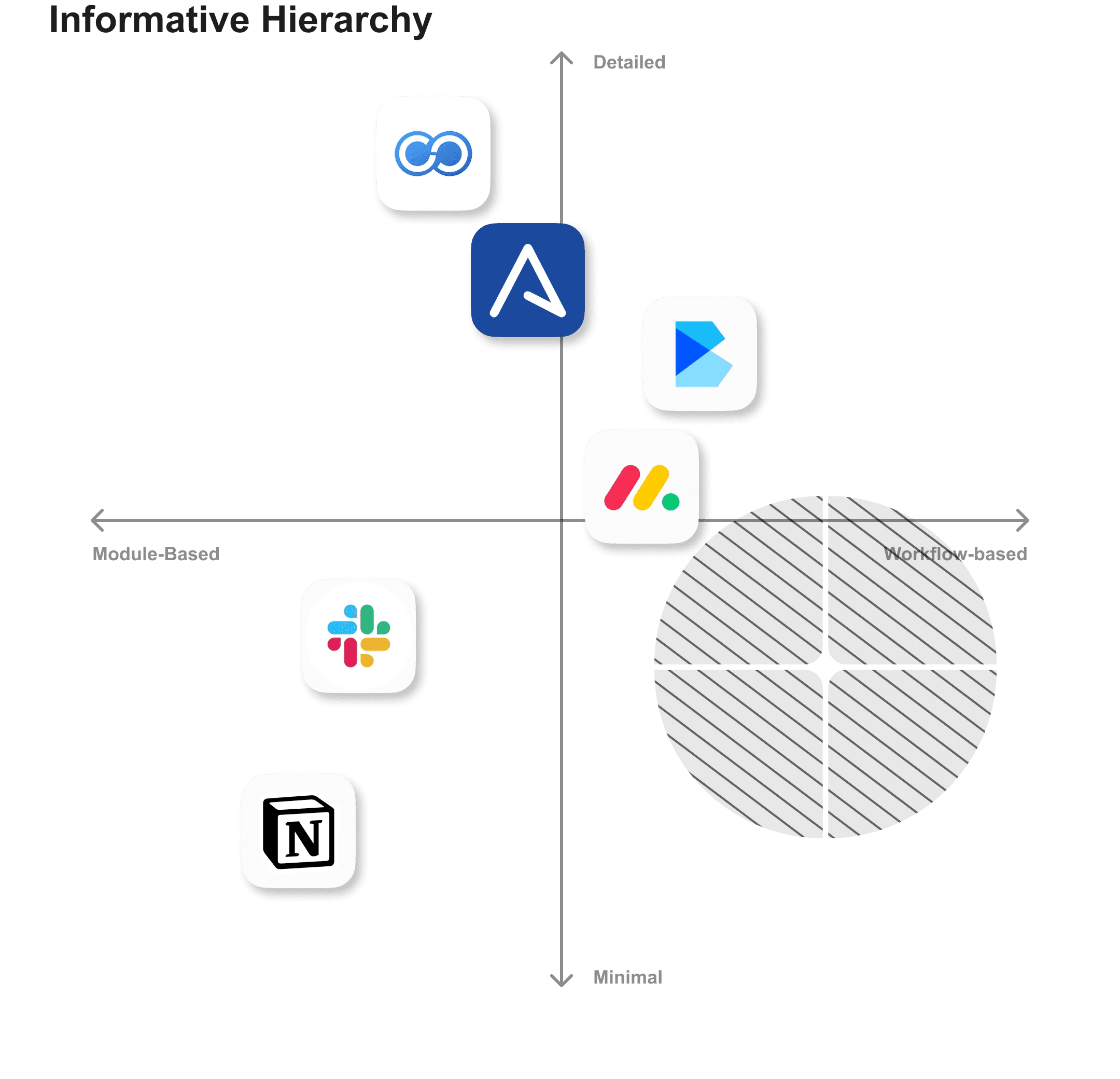
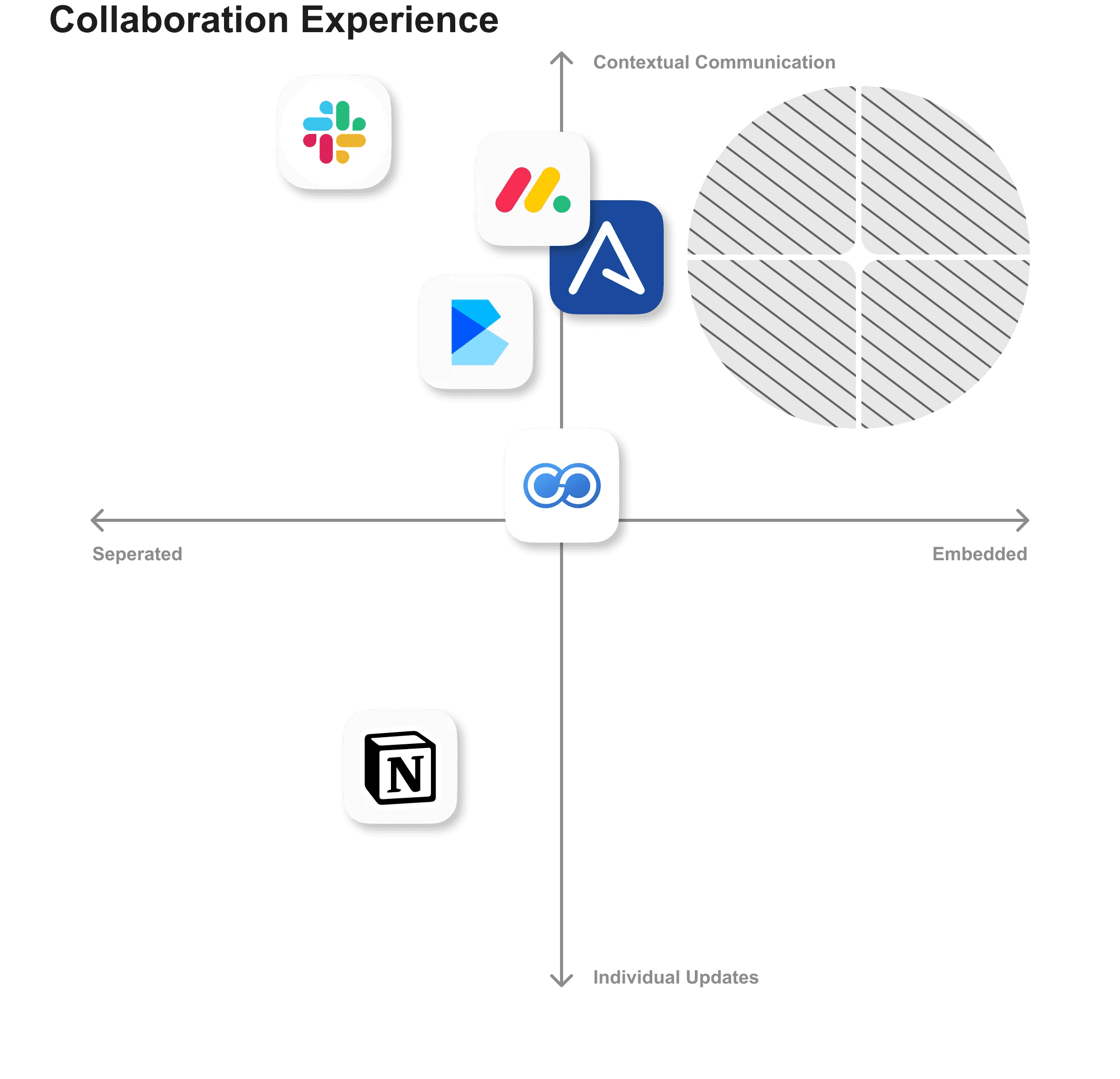
Current enterprise platforms often prioritize comprehensive data over usability, while collaboration tools simplify the interface but lack production context. This creates an opportunity for a dashboard to present complex production information in a focused and intuitive way.


Unified Production Workspace
Create a centralized workspace that synchronizes production data from existing tools into a single interface.
End-to-End Production Visibility
Provide a visual timeline of every production stage, from sample approval to shipment, with real-time status updates.
Enable Proactive Collaboration
Support seamless cross-team communication and surface production issues throughout the workflow.


Usability Testing & Design Iterations
Clarify what production teams need to better prioritize work, track progress, and coordinate across existing tools.
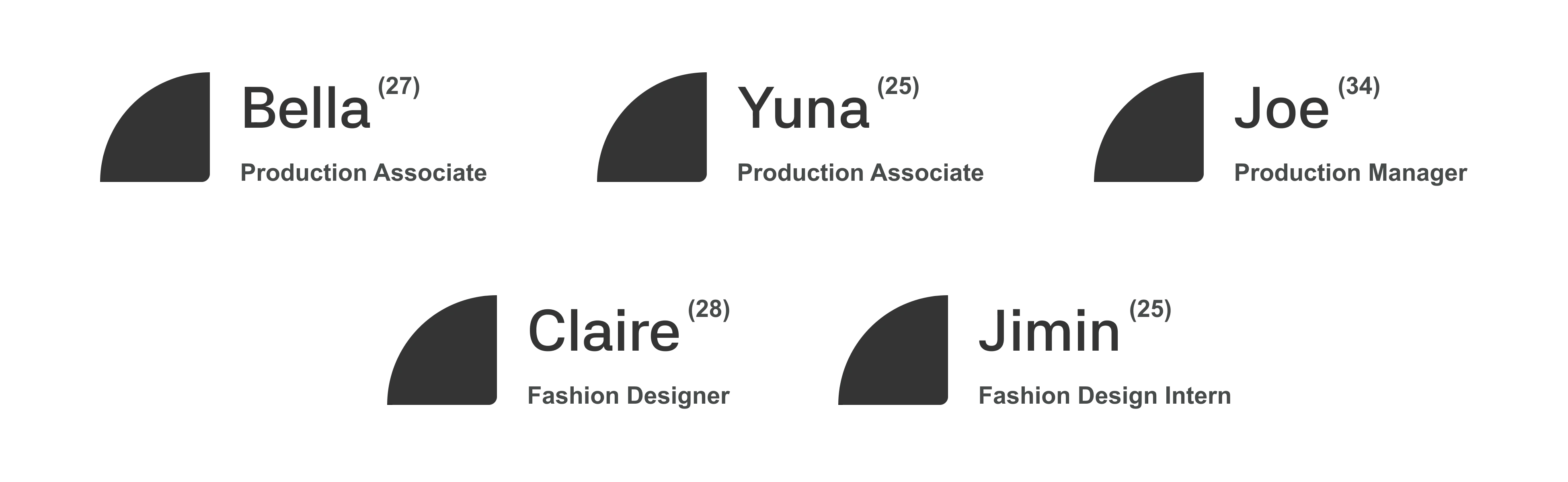
Participants
Method
Workflow Validation
Information Hierarchy Testing
Usability Testing
Co-creation & Ideation with Users
Feature Prioritization
Iteration from Findings
Findings

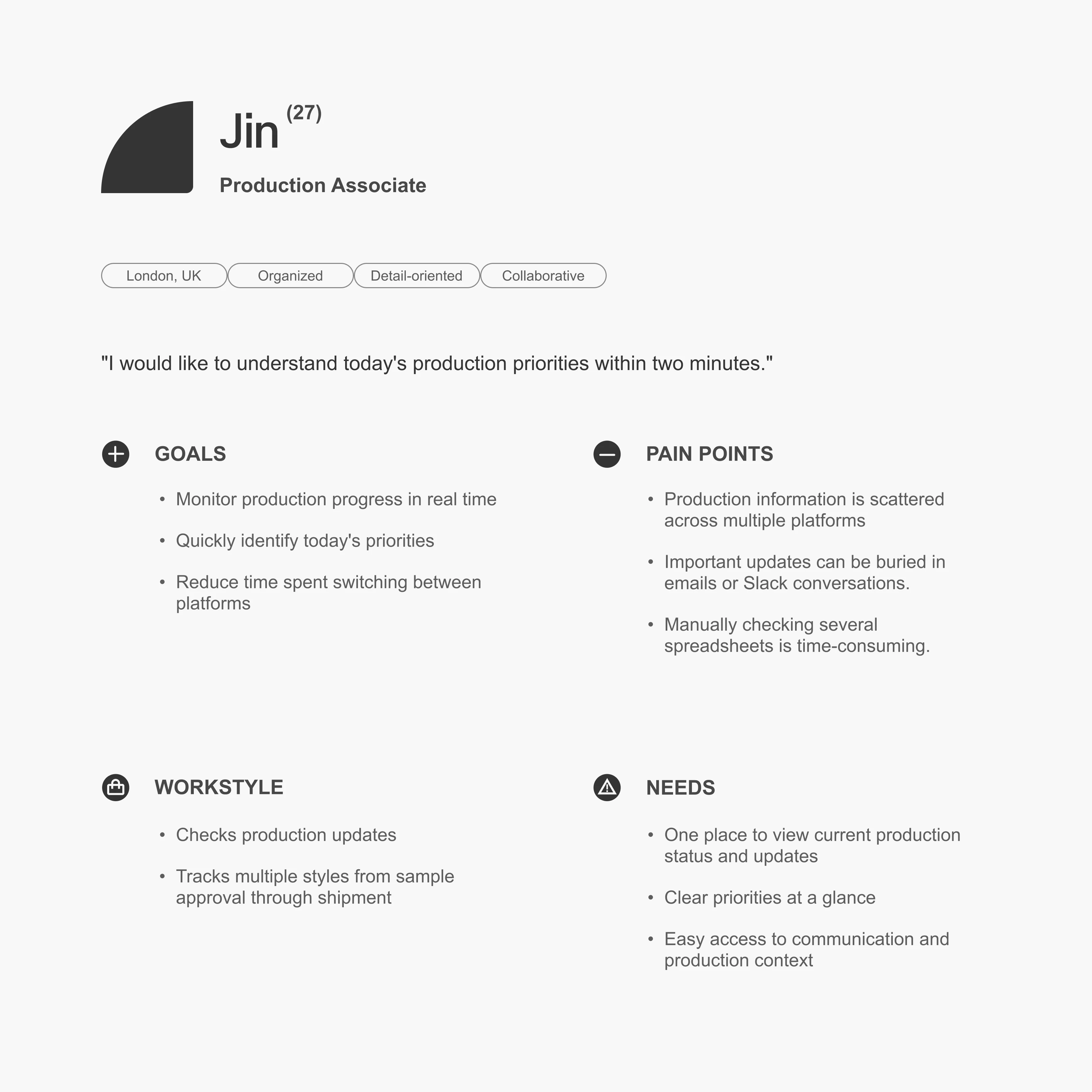
They check multiple platforms to understand current progress.

They manually consolidate information in shared spreadsheets.
Despite having dedicated production systems, teams still rely on manual cross-platform checking to build a complete view of production.
REFINEMENT
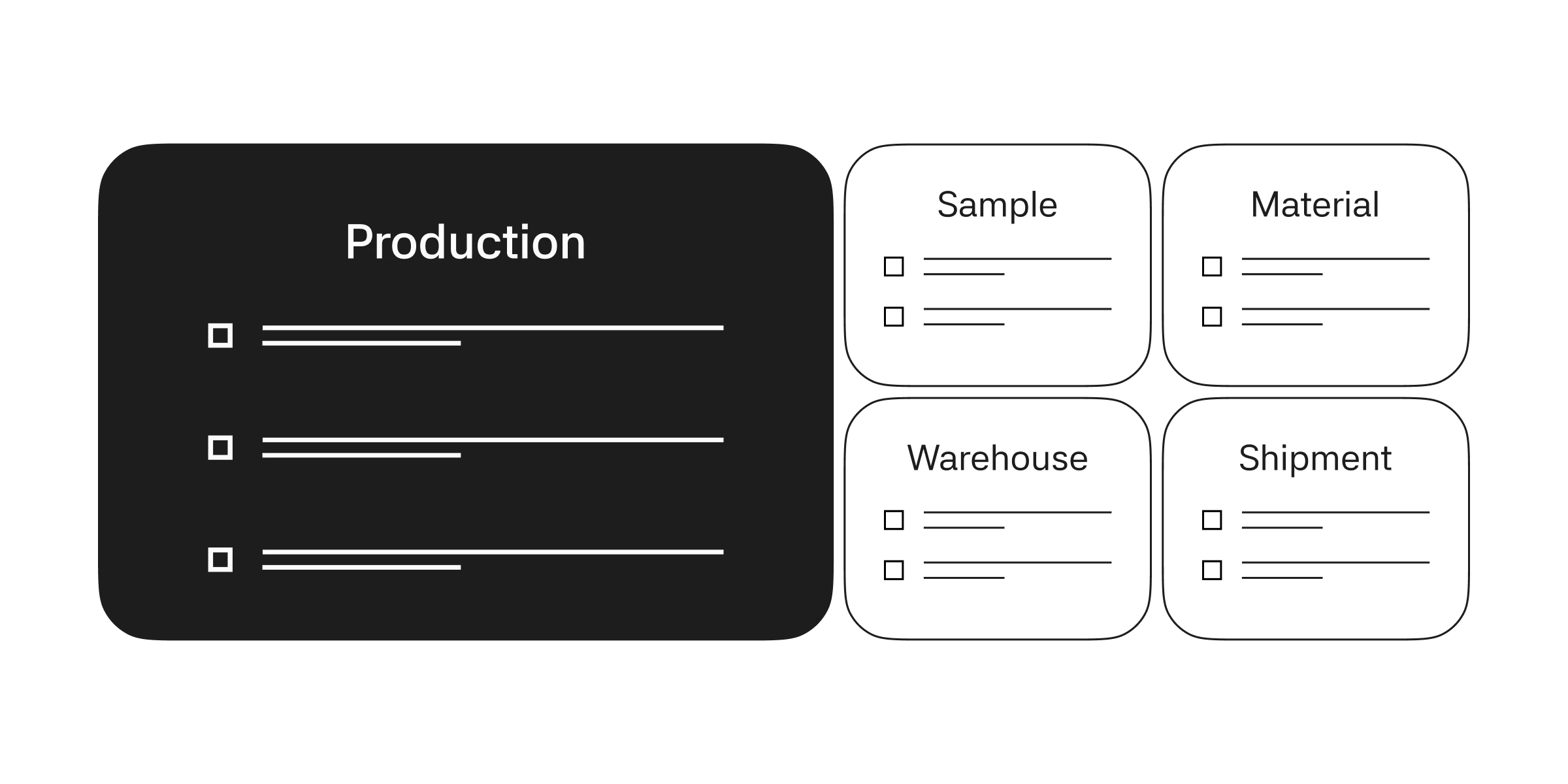
Refined the dashboard's information hierarchy by separating actionable tasks from general production updates and organizing information by workflow area.

How might we bring scattered information across multiple platforms into one place to improve visibility and collaboration across fashion production teams?
Leveraged Figma Make and Claude Code for rapid prototyping, refining the dashboard based on usability feedback to prioritize daily tasks, improve production visibility, and streamline workflows.


REFLECTION & WHAT I’D DEVELOP FURTHER
Design beyond visibility to support production decisions
SEAM began with the challenge of fragmented information, but the design process revealed a deeper opportunity: supporting how production teams anticipate risks, coordinate ownership, and manage dependencies as production conditions change. Further development could focus on these operational decisions, moving beyond visibility toward a workspace that helps teams keep production moving.
Anticipate issues before they escalate
Production teams often need to respond before a delay becomes a larger production problem.
Connecting changes across samples, approvals, materials, and shipments could reveal downstream risks earlier—helping teams understand not only what is delayed, but what may be affected next.
Make ownership as clear as status
Identifying an issue is only part of keeping production moving. Teams also need to know who needs to act, what they are responsible for, and what is waiting on whom.
Clearer ownership and handoffs across internal teams, vendors, and external partners could reduce unnecessary follow-ups and make next steps easier to identify.
Understand dependencies across production
Production orders rarely move independently. A material delay, pending approval, vendor constraint, or shipment change can affect multiple orders and timelines.
Mapping cross-order dependencies and shared constraints could help teams understand the broader impact of a change instead of reviewing each PO in isolation.
